

Focus Groups
Activities
As part of Work Package 2, Co.De. partners held Focus Groups in seven countries to explore teachers’ awareness and use of co-design methods. The sessions revealed diverse practices, common challenges, and a strong interest in collaborative, student-centred learning. Explore this page to discover key findings and national highlights.



Focus groups
Educators across Europe engaged in reflective discussions to explore their current teaching practices, assess the use of co-design methods, and identify training needs—laying the groundwork for a teacher competence model.
As part of the “Co.De. – Co-Design Learning for the School of the Future” project, a key component under Work Package 2 (WP2) was the organisation and implementation of Focus Group activities by all project partners. This initiative aimed to engage educators across participating countries in reflective discussions on co-design in education, exploring their current teaching practices, challenges, and perspectives on participatory learning methods. The main objective of the Focus Groups was to assess the awareness, implementation, and potential of co-design methodologies in school environments.
It aimed to:
1) Understand educators’ familiarity with co-design concepts.
2) Evaluate existing student-centred and collaborative teaching practices.
3) Identify perceived benefits, barriers, and training needs related to co-design.
4) Collect qualitative data to feed into the development of a competence model for teachers.
Summary of Partner Activities
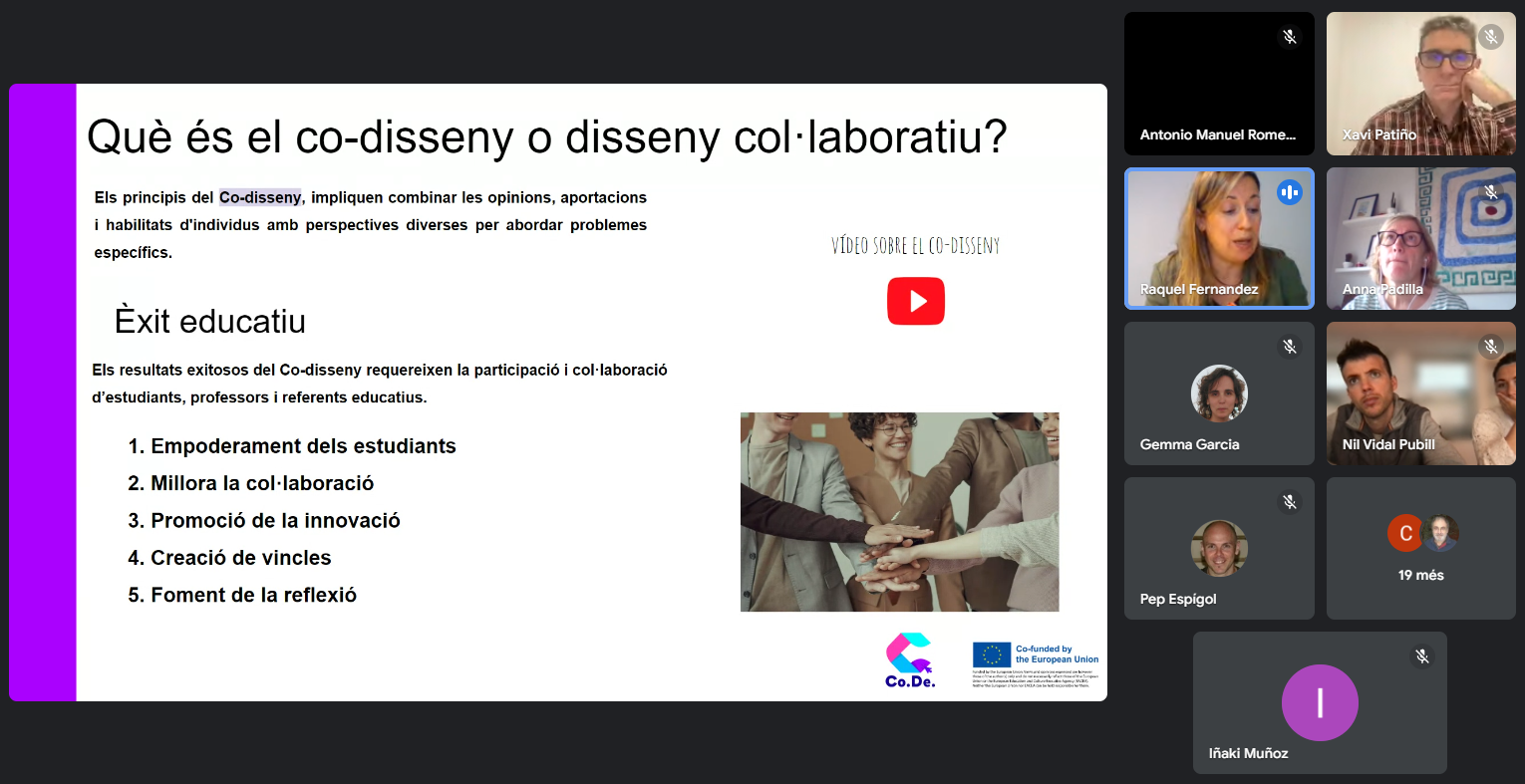
Spain – Fundació Tr@ms
Conducted an online session with teachers from 12 schools in Catalonia. The majority were new to the term "co-design" but used relevant strategies like Mentoring and Crowdsourcing. Role-Playing and User Testing were less familiar, indicating areas for capacity-building
Italy – DLEARN
Held a focus group with teachers from ARNERA. Role-Playing and Lifeboat Exercises were most commonly used. The participants showed readiness to implement more co-design strategies and expressed interest in tools such as the WE-DID-IT approach.
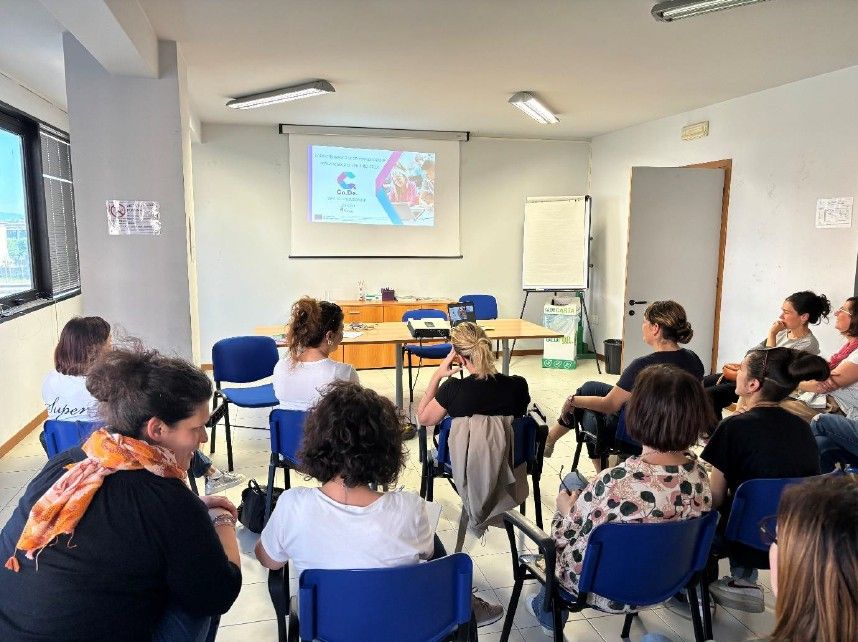
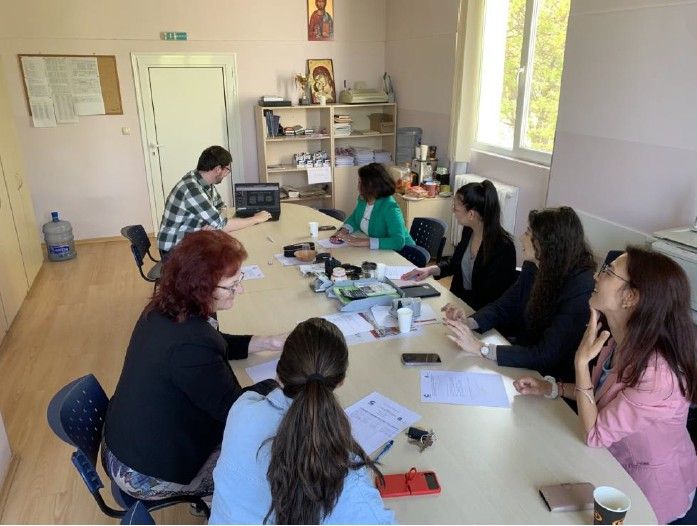
Bulgaria – Budakov Films
Organised two focus groups (one in person, one online) with 31 participants. Teachers already practiced several co-design strategies.Shadowing was the least familiar.
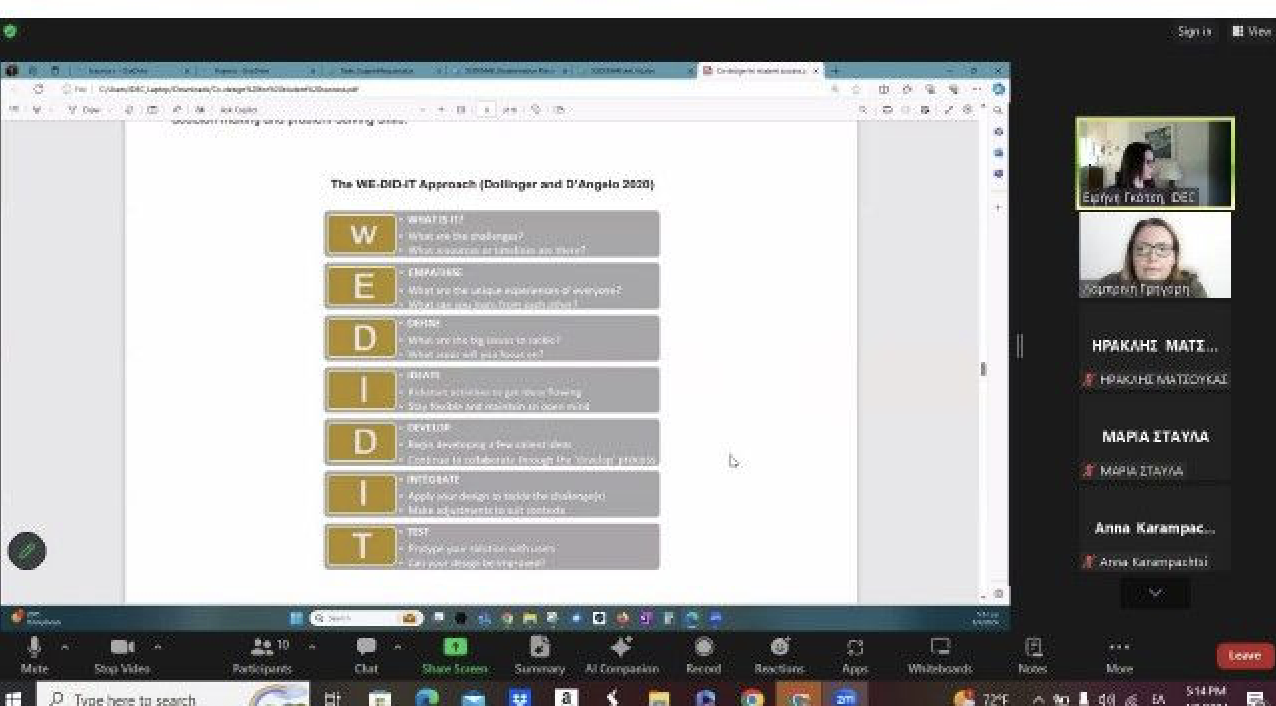
Greece – IDEC
Organised four online focus groups across diverse school types. Teachers from model schools showed more experience with co-design.
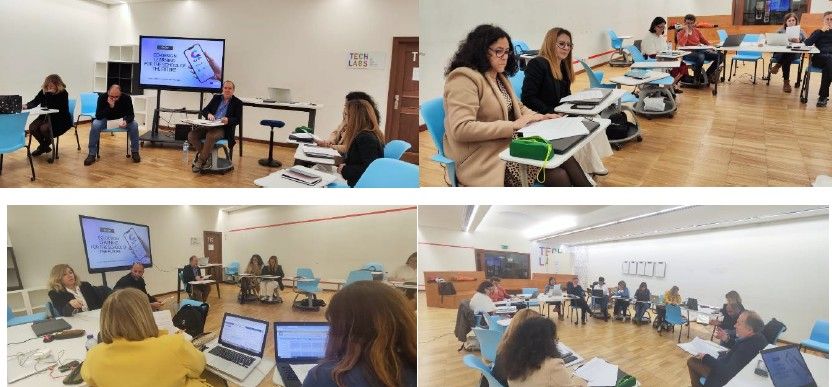
Portugal – Agrupamento de Escolas José Estêvão
Held three sessions with 30 participants. While most educators used student-centered strategies, few were familiar with co-design. Preferred methods included Flash Thinking and Role-Playing. A strong interest in further training on co-design was noted.
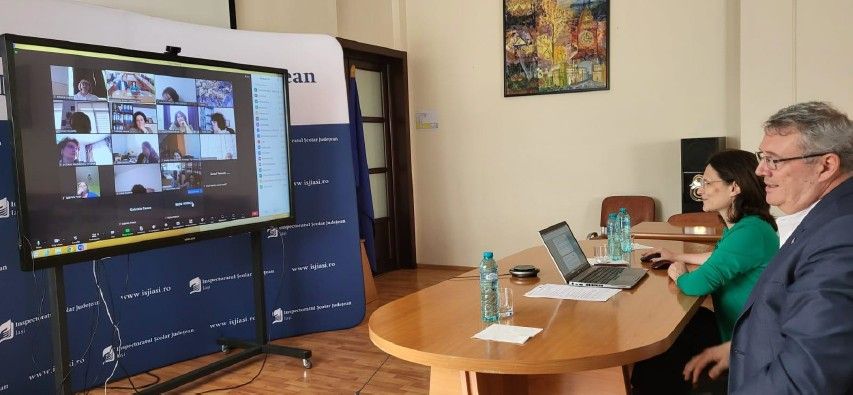
Romania – ISJI
Implemented two online focus groups. Teachers reported using active learning methods such as experiential learning, flipped classrooms, and project-based learning. Emphasis was placed on teachers’ flexibility, creativity, and communication skills as essential for co-design.
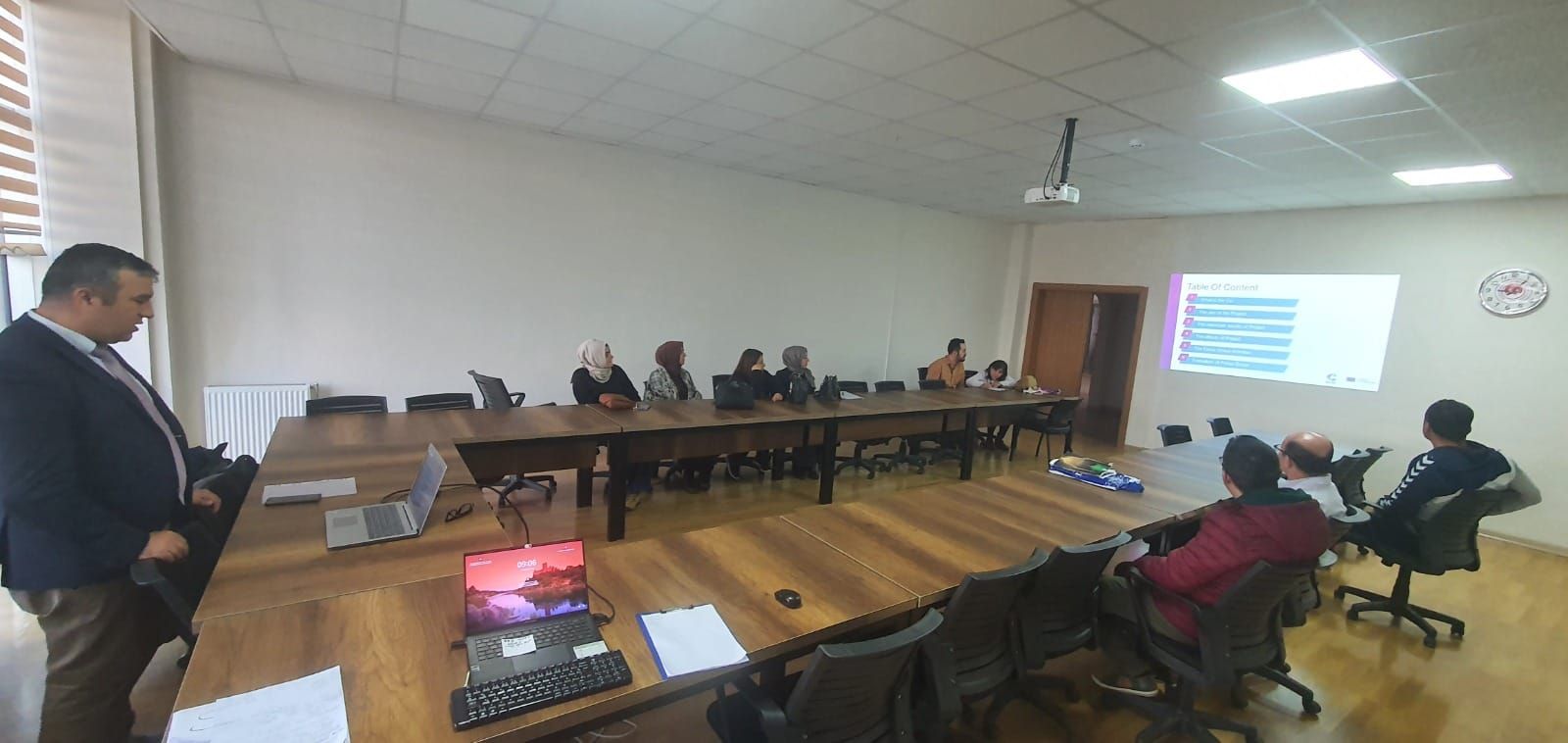
Türkiye - Mamak MEM
Conducted sessions in three different schools, involving 32 participants. While many teachers supported student-centered learning, over 75% had not heard of co-design before. There was substantial interest in learning more and integrating technology effectively.
Conclusion
The Focus Group activity provided comprehensive insights into the readiness and needs of educators across Europe to embrace co-design methodologies.
While familiarity with the term “co-design” varied, the principles underpinning it—collaboration, student empowerment, and innovation—are already partially present in current teaching practices. The findings highlight the importance of structured training, access to co-design tools, and peer learning opportunities to effectively implement these approaches in schools.